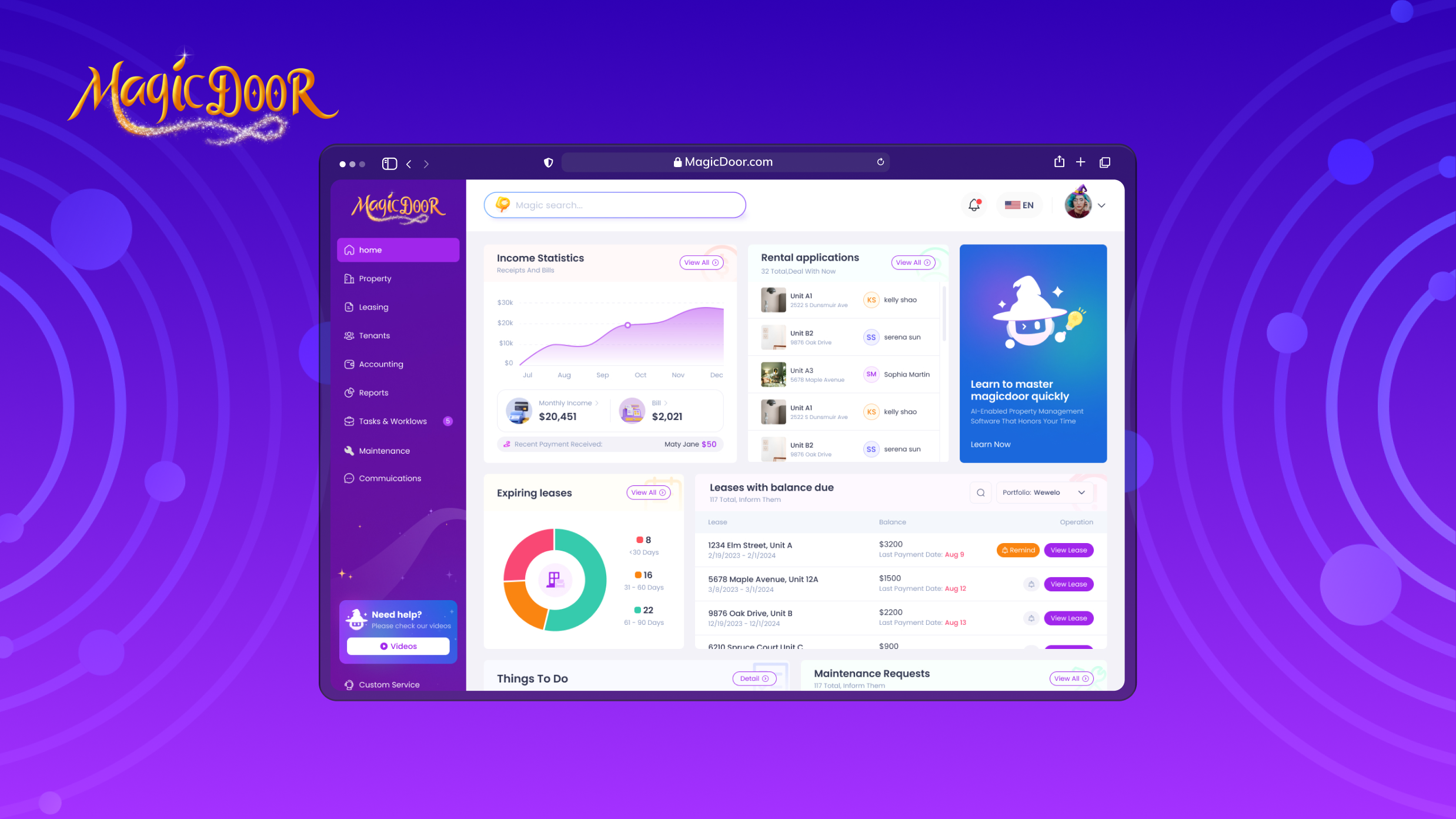
Best Owner Portal Software for Property Managers of Any Portfolio Size
Get expert property management insights, straight to your inbox.
Owner portals are no longer a “nice extra” in property management.
Owners expect clear access to financials, documents, and updates without having to email or call your team. When that access is missing, questions pile up and trust erodes quietly.
This guide walks through how owner portal software actually works, what features matter at different portfolio sizes, and how today’s leading tools compare, so you can choose a platform that fits how your business runs, not how a demo looks.
What is Owner Portal Software?
Owner portal software is part of property management software that provides property owners with a secure online portal to view information about their rental properties.
In day-to-day use, the portal becomes the main place owners go to understand what’s happening with their properties. Financial updates, messages, maintenance tracking activity, and shared files all live in one account, so owners don’t need to email or call managers for routine updates.
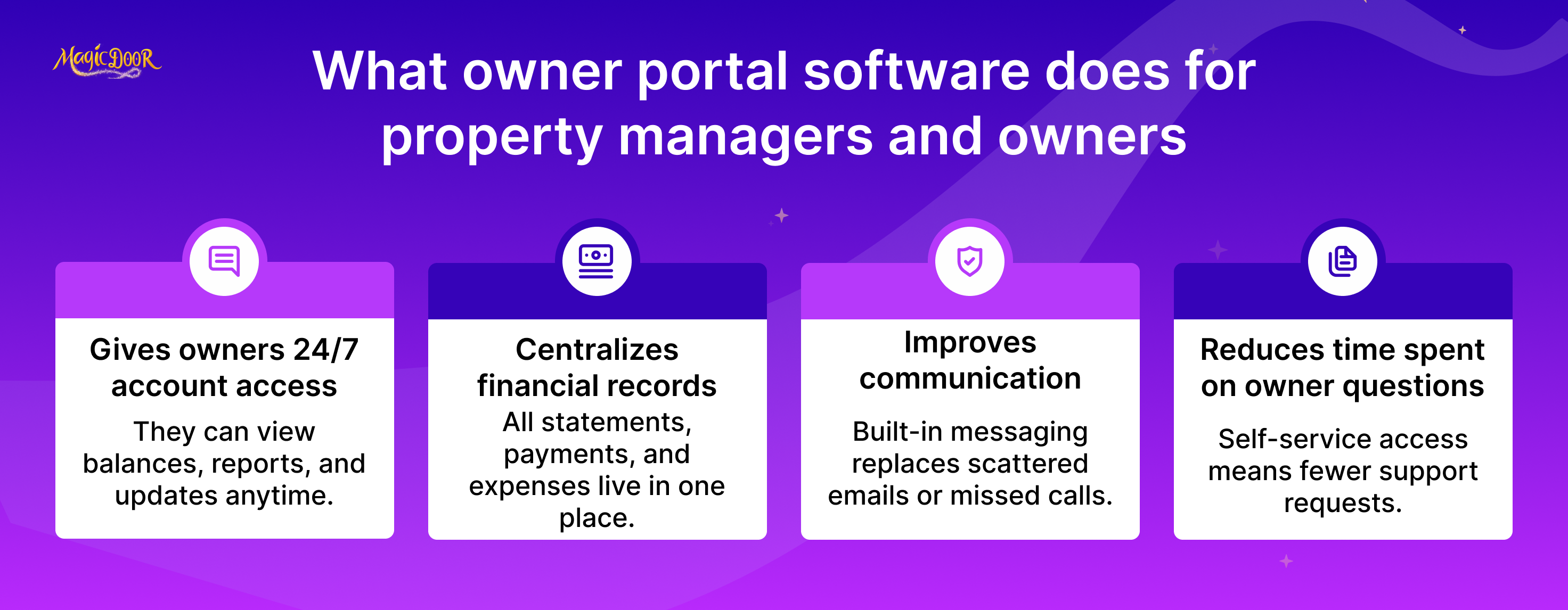
Everything stays connected to the right property and available whenever owners want to check in.
Most owner portals give owners the ability to:
- Review rent and other payments associated with each property
- See updates on maintenance requests and service activity
- Read messages and notices from property managers
- Upload, download, and review important documents
- Track financial details related to their investments
For property managers, owner portal software creates a clearer, more predictable way to share information. Communication stays organized, documents don’t get buried in inboxes, and owners know exactly where to look when they have questions.
When owners have consistent access to information, conversations shift from constant check-ins to more meaningful discussions about performance, priorities, and next steps.
That’s the real value of an owner portal: fewer interruptions, better visibility, and stronger working relationships.
Top 17 Owner Portal Software Tools for Property Managers in 2026
| Software | Portfolio Size Fit | Owner Portal Strength | Financial Reporting | Maintenance Visibility | Complexity Level |
|---|---|---|---|---|---|
| MagicDoor | Small → Large | Very strong | Real-time dashboards, statements | Work orders tied to data | Medium |
| Propertyware | Mid → Large | Strong | Detailed accounting reports | Vendor coordination | High |
| Avail | Small | Basic | Simple summaries | Limited | Low |
| Rentvine | Growing portfolios | Strong | Owner statements & ledgers | Integrated | Medium |
| TenantCloud | Small | Basic | Standard reports | Included | Low |
| Buildium | Small → Mid | Strong | Statements, ledgers | Integrated | Medium |
| Rentec Direct | Small → Mid | Moderate | Accounting-focused | Limited | Medium |
| AppFolio | Mid → Large | Strong | Advanced reporting | Integrated | High |
| Stessa | Small | Moderate | Financial tracking focus | Minimal | Low |
| RentManager | Large | Very strong | Custom reporting, OWA | Integrated | High |
| Baselane | Small | Light | Banking & payments focus | None | Low |
| Hemlane | Small → Mid | Moderate | Owner statements | Service coordination | Medium |
| DoorLoop | Small → Mid | Strong | Statements & payouts | Integrated | Medium |
| Entrata | Large (Multifamily) | Moderate | Enterprise reporting | Integrated | High |
| Yardi Breeze | Small → Mid | Moderate | Core reporting | Limited | Medium |
| ResMan | Mid → Large | Moderate | Accounting-heavy | Integrated | High |
| Landlord Studio | Very small | Light | Basic financial reports | None | Low |
1. MagicDoor
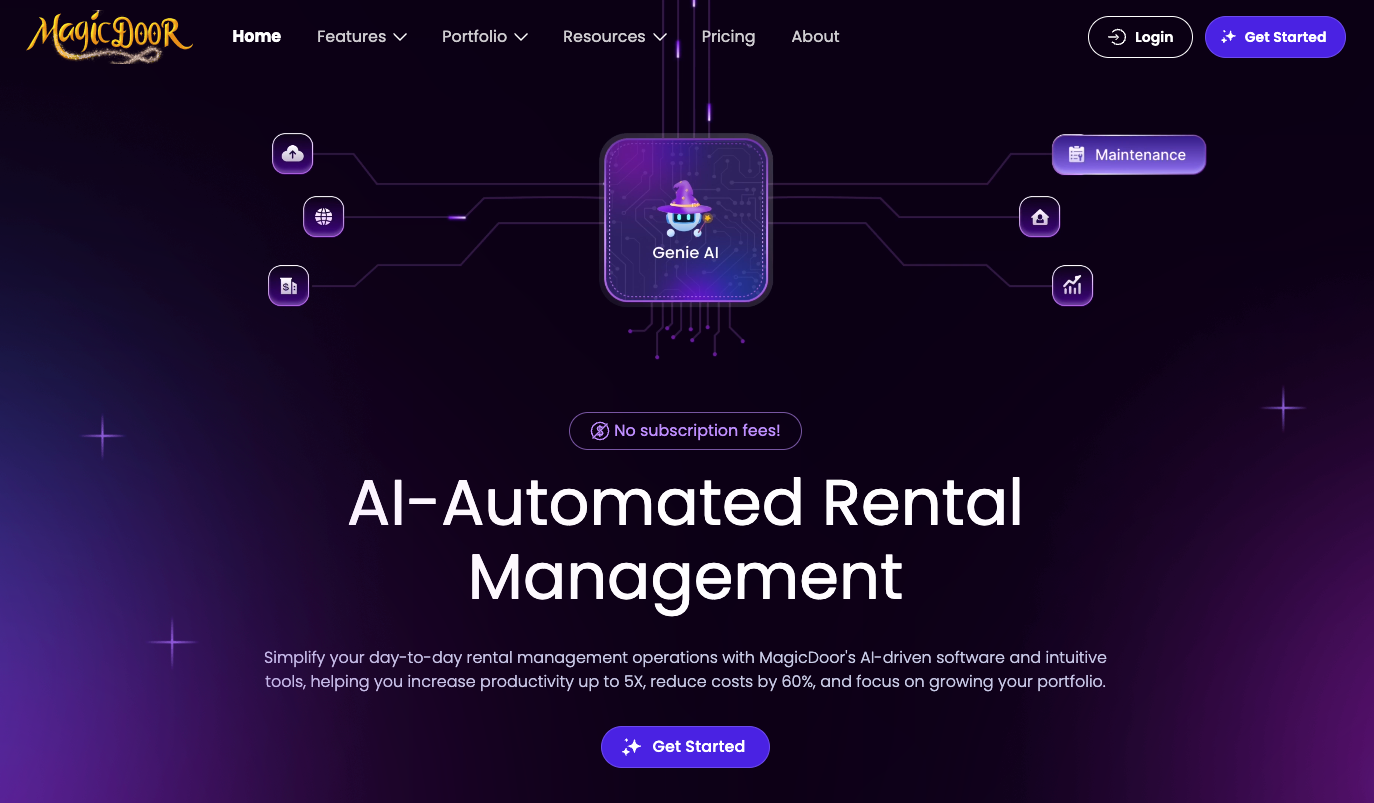
MagicDoor is an all-in-one property management automation software built around real execution, not surface-level portals. The owner portal gives property owners direct access to financial data, documents, and updates without relying on manual reporting or manager follow-ups.
Everything remains connected to the same system used for payments, maintenance, and accounting, keeping information consistent and easy to review.
Owner portal features:
- Real-time owner statements and financial dashboards
- Access to payments, distributions, and transaction history
- Secure document storage and electronic signatures
- Maintenance visibility tied to actual work orders
- Central messaging linked to properties and records
Pros:
- Financial data stays accurate and current
- Minimal manual reporting for managers
Cons:
- Designed for teams ready to replace fragmented tools
Best for: Small to large portfolios that want owner visibility tied directly to daily operations.
2. Propertyware

Propertyware is built for property managers overseeing larger portfolios who need structured reporting and owner visibility tied to accounting workflows.
Owner portal features:
- Owner statements and financial reports
- Access to payments and transaction history
- Document sharing for reports and notices
Pros:
- Strong reporting depth
- Suited for complex portfolios
Cons:
- Interface feels dated
Best for: Mid-to-large portfolios with accounting-heavy needs.
3. Avail

Avail focuses on independent landlords and small property management teams looking for simple owner and tenant access.
Owner portal features:
- Online payment tracking
- Document uploads and sharing
- Basic financial summaries
Pros:
- Easy setup
- Clean interface
Cons:
- Limited reporting depth
Best for: Small portfolios and self-managing owners.
4. Rentvine
Rentvine offers a modern system for growing property management companies that want owner portals connected to lease management, accounting, and maintenance.
Owner portal features:
- Owner statements and ledgers
- Maintenance visibility
- Secure document access
Pros:
- Good balance of features
- Scales with growth
Cons:
- Requires onboarding time
Best for: Growing portfolios needing structured owner reporting.
5. TenantCloud
TenantCloud is a flexible platform designed for independent landlords and small teams that want owner access without heavy setup.
Owner portal features:
- Owner statements and payment visibility
- Document uploads and sharing
- Maintenance updates tied to properties
Pros:
- Affordable entry point
- Simple interface
Cons:
- Limited depth for complex reporting
Best for: Small portfolios and self-managing owners.
6. Buildium

Buildium is a widely used solution offering owner portals connected to accounting, payments, and maintenance.
Owner portal features:
- Owner statements and financial reports
- Online payment and payout tracking
- Document storage and messaging
Pros:
- Familiar platform across the industry
- Solid owner reporting tools
Cons:
- Pricing increases with feature access
Best for: Small to mid-size property management companies.
7. Rentec Direct
Rentec Direct focuses on specific property management with strong accounting and owner reporting.
Owner portal features:
- Owner statements and ledgers
- Payment and transaction visibility
- Secure document access
Pros:
- Reliable accounting features
- Transparent pricing
Cons:
- Interface feels dated
Best for: Small to mid-size portfolios prioritizing accounting clarity.
8. AppFolio
AppFolio is a widely adopted platform that combines accounting, payments, and owner communication inside one system. Its owner portal gives property owners structured access to financial data and reports tied directly to property activity.
Owner portal features:
- Owner statements and financial dashboards
- Payment and distribution visibility
- Secure document sharing
Pros:
- Strong reporting tools
- Scales well for growing teams
Cons:
- Higher cost for smaller portfolios
Best for: Mid-size to large property management companies.
9. Stessa

Stessa focuses on financial tracking and reporting for rental property owners, with lighter operational tools than full property management platforms.
Owner portal features:
- Income and expense tracking
- Financial reports by property
- Document storage for tax records
Pros:
- Clean financial visibility
- Easy for owners to use
Cons:
- Limited operational workflows
Best for: Individual owners and small portfolios focused on financial reporting.
10. RentManager
Rent Manager supports large and complex portfolios with robust accounting and customizable owner reporting.
Owner portal features:
- Owner statements and ledgers
- Custom financial reports
- Owner Web Access for balances and fees
Pros:
- Deep reporting flexibility
- Handles complex ownership structures
Cons:
- Steeper learning curve
Best for: Large portfolios and enterprise-level property management teams.
11. Baselane

Baselane focuses on banking, payments, and financial visibility for rental property owners, with lighter operational tools than full property management software.
Owner portal features:
- Rent and owner payment tracking
- Banking and account visibility
- Financial summaries by property
Pros:
- Strong banking integration
- Clear payment visibility
Cons:
- Limited maintenance and operations support
Best for: Small portfolios prioritizing rent and banking clarity.
12. Hemlane
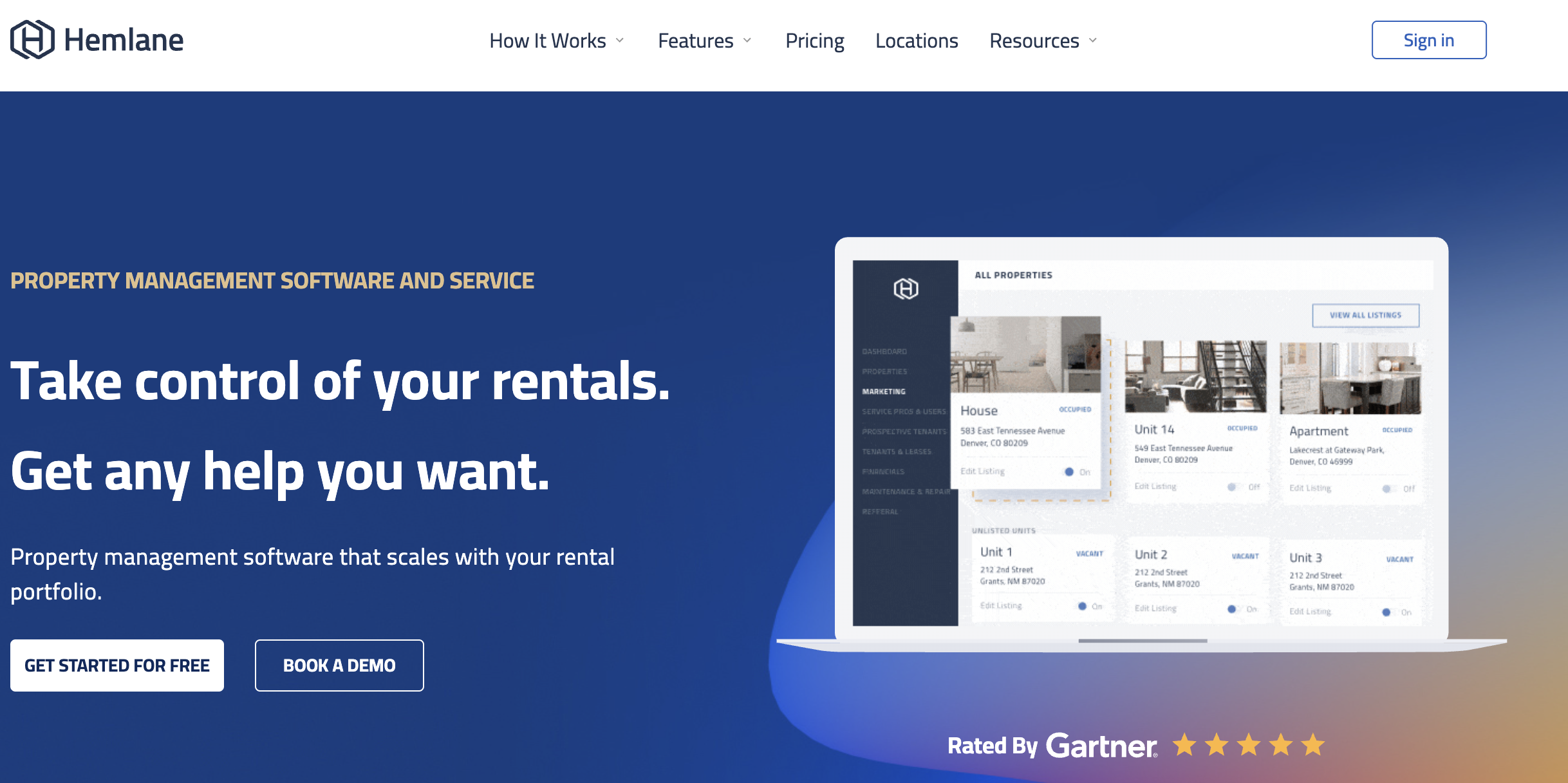
Hemlane combines software with optional local support, giving owners and managers shared access to property activity and financial updates.
Owner portal features:
- Owner statements and payment records
- Maintenance coordination visibility
- Document sharing and messaging
Pros:
- Hybrid support model
- Clear owner access to updates
Cons:
- Less depth for large portfolios
Best for: Small to mid-size portfolios wanting shared management.
13. DoorLoop

DoorLoop offers an all-in-one system with an owner portal tied to accounting, payments, and maintenance.
Owner portal features:
- Owner statements and ledgers
- Payment and distribution tracking
- Secure document access
Pros:
- Clean interface
- Balanced feature set
Cons:
- Pricing grows with portfolio size
Best for: Small to mid-size property management teams seeking an all-in-one tool.
14. Entrata
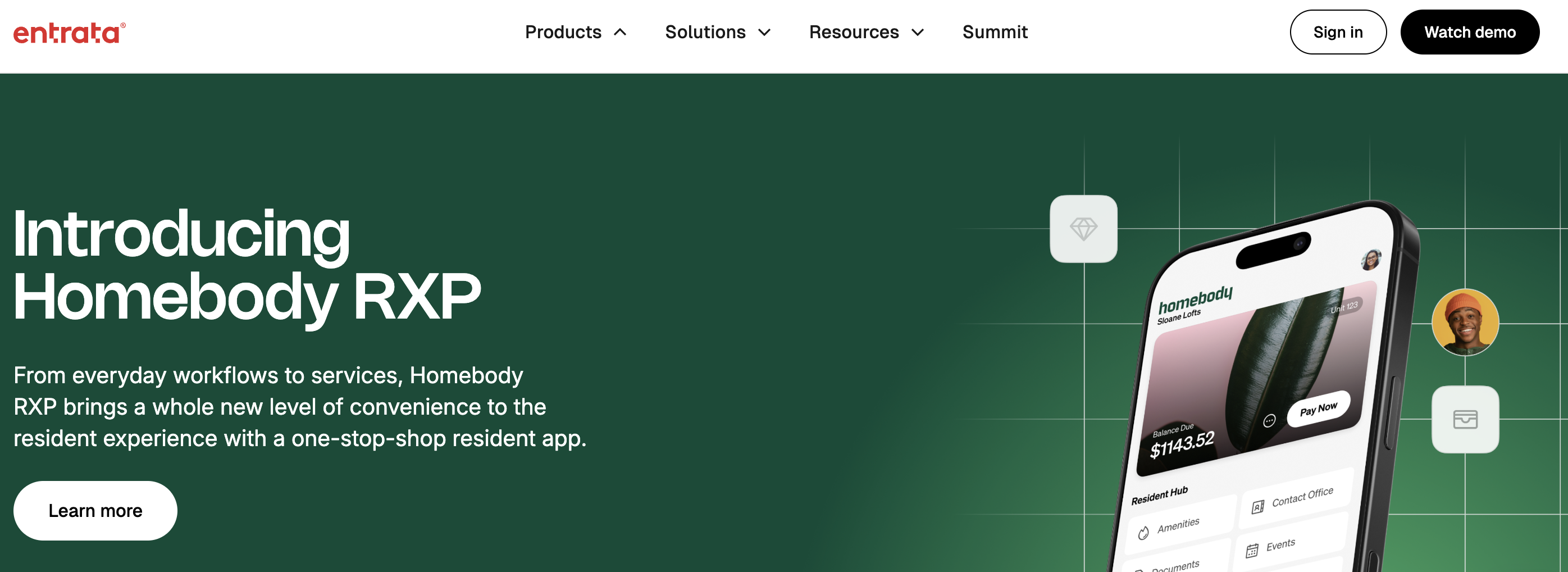
Entrata is a large-scale platform designed primarily for multifamily operators, with owner access layered into more general operational tools.
Owner portal features:
- Financial reporting and owner statements
- Payment and distribution visibility
- Document access and reporting exports
Pros:
- Strong enterprise tooling
- Handles complex portfolios
Cons:
- Heavy system for smaller teams
Best for: Large multifamily portfolios with enterprise needs.
15. YardiBreeze
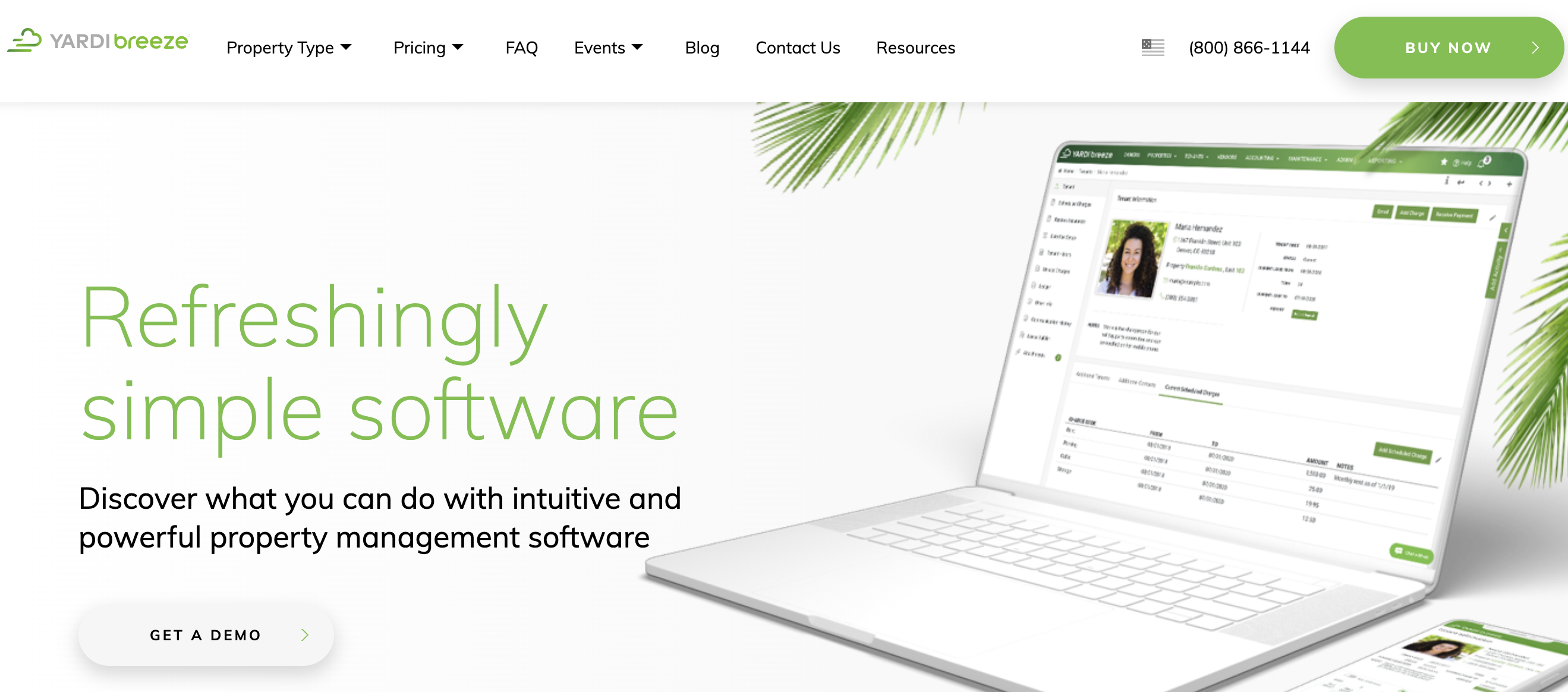
Yardi Breeze is a cloud-based platform optimal for managing both residential and commercial properties.
Owner portal features:
- Owner statements and financial summaries
- Payment tracking and reports
- Secure document sharing
Pros:
- Simpler setup than full Yardi
- Trusted accounting foundation
Cons:
- Limited customization
Best for: Small to mid-size portfolios needing dependable reporting.
16. ResMan
ResMan focuses on accounting and reporting for multifamily and commercial property managers.
Owner portal features:
- Owner statements and ledgers
- Financial dashboards
- Secure access to reports
Pros:
- Strong accounting controls
- Designed for regulated environments
Cons:
- Interface less intuitive
Best for: Mid-to-large portfolios with accounting-heavy workflows.
17. Landlord Studio

Landlord Studio offers simple financial tracking and reporting for independent landlords and small property managers.
Owner portal features:
- Income and expense tracking
- Financial reports by property
- Document storage for records
Pros:
- Easy to use
- Affordable for small portfolios
Cons:
- Limited owner communication tools
Best for: Solo landlords and very small portfolios focused on finances.
Common Features to Expect in Owner Portal Software
Owner portal software gives property owners clear access to information without constant back-and-forth with managers. The right feature set supports transparency, keeps financial data easy to review, and gives owners confidence that their rental properties are being managed carefully.
On most platforms, owners log in to an online portal connected to the same property management software managers use every day. Financial activity, documents, messages, and maintenance details remain tied to each property, helping owners review updates at their convenience and keeping communication focused.
A practical owner portal also provides visibility into payments. Owners can review rent payments, payouts, and transactions associated with their account, including funds sent to their bank account.
Real-time dashboards help owners understand performance without waiting for monthly emails or manual reports.
Communication improves when messages, requests, and documents live in one place. Managers share updates once; owners know where to find them, and teams spend less time answering the same questions.
Property managers evaluating owner portal software should expect the following capabilities:
- Secure owner login: Protects financial data and documents while giving owners controlled access.
- Monthly financial reports: Shows income, expenses, and totals by property and date.
- Real-time visibility into income and expenses: Reflects rent activity and transactions as they post.
- Document access and uploads: Stores leases, contracts, tax forms, and other key files.
- Owner payout and distribution tracking: Displays payment status and funds sent to the owner’s bank.
- Maintenance summaries and work order visibility: Shows service activity, costs, and completion status.
- Read-only access controls: Allows owners to review data without changing records.
- Historical records archive: Keeps past reports, documents, and transactions easy to review.
- Mobile-friendly access: Supports owners who check updates from any device.
These features give owners a dependable view into their properties while helping managers keep communication, reporting, and records organized.
How to Choose the Right Owner Portal Based on Your Portfolio Type
Prioritize Automation If You Send Monthly Reports to Multiple Owners
Monthly reporting becomes more demanding as the number of owners grows. Each owner expects clear financial updates, accurate payment records, and timely access to documents tied to their rental properties.
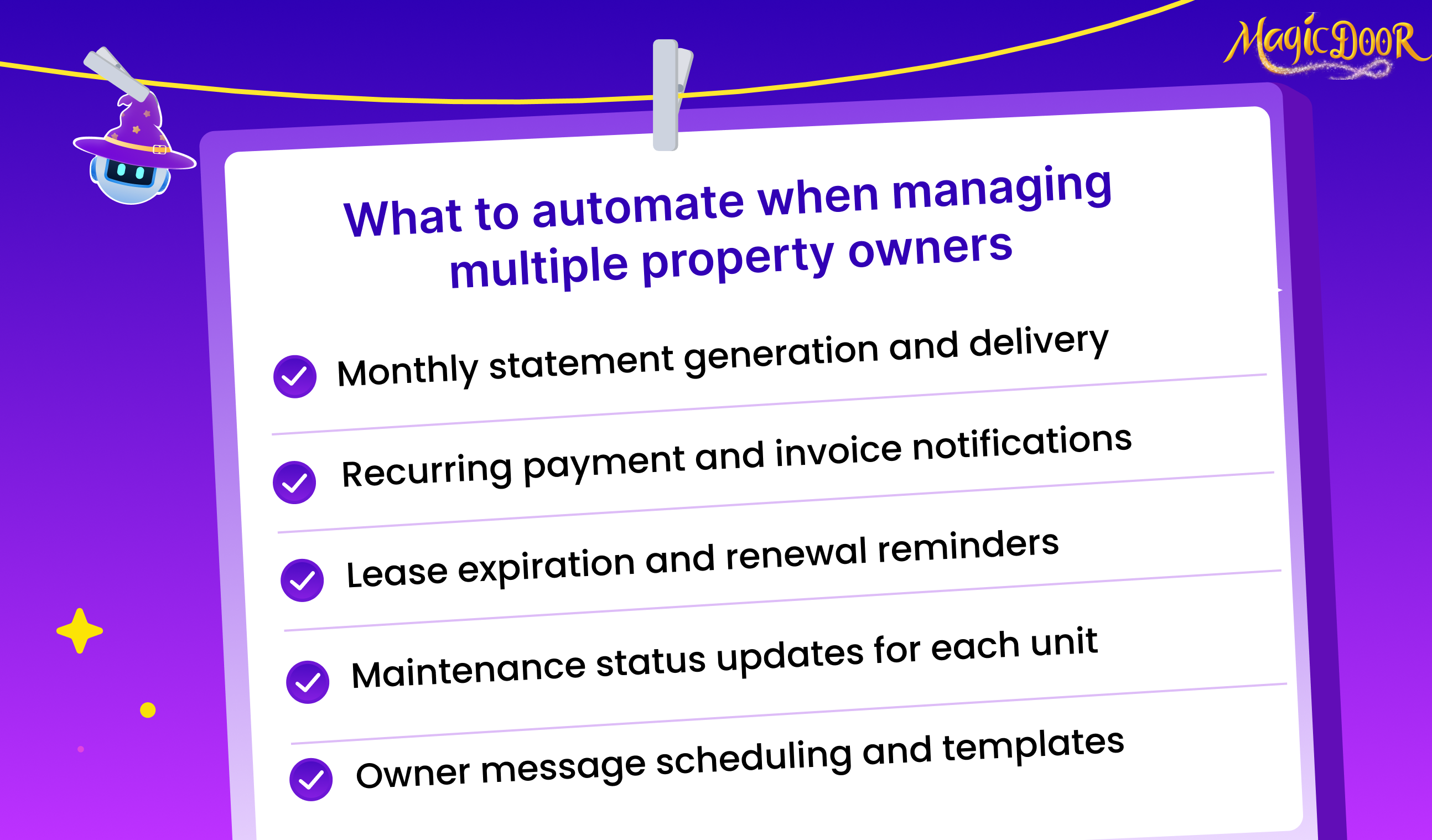
When reports rely on manual steps, small delays and inconsistencies start to show.
Owner portal software with automation removes much of that pressure. Reports are generated directly from the same property management software that records rent, expenses, and payments.
Owners gain consistent access to statements and transaction details through their account, while managers avoid rebuilding the same reports each month.
Automation is especially helpful when portfolios include multiple owners with different expectations. Common benefits include:
- Scheduled publishing of monthly owner statements
- Automatic updates when payments post or funds move to the bank
- Central access to financial data by property and date
- Fewer clarification requests from owners reviewing reports
With reporting handled inside the platform, teams spend more time managing properties and less time preparing paperwork.
Look for Custom Branding if You Want to Present a Professional Image
An owner portal often becomes the primary channel for owners to interact with a management company.
The design and presentation determine how that relationship feels over time.
Custom branding allows the portal to reflect the company behind it. Logos, colors, and messaging align with the rest of the business, creating a familiar experience when owners log in to review payments, documents, or account details.
Branding also helps owners feel connected to the people managing their investments.
A portal that looks intentional builds confidence, especially for owners who work with multiple managers or platforms. Over time, that sense of familiarity supports stronger relationships and steadier retention.
Make Sure It Includes Financial Reporting Owners Can Understand
Financial reports only help when owners can read them without a walkthrough.
Clear reporting shows how rent, expenses, and payouts connect to each property and date, using plain labels and consistent layouts. Owner portal software that presents this information well gives homeowners confidence in the numbers and reduces follow-up questions.
Look for reporting features that support everyday review, not accounting deep dives:
- Owner statements that separate income, expenses, and distributions
- Ledgers that show transactions by property and time period
- Real-time updates tied to online payments and disbursements
- Easy export for records shared with banks or tax professionals
When financial data stays clear and accessible through the portal, owners stay informed, and managers spend less time explaining reports.
Check for Secure File Sharing for Contracts, Receipts, & Tax Forms
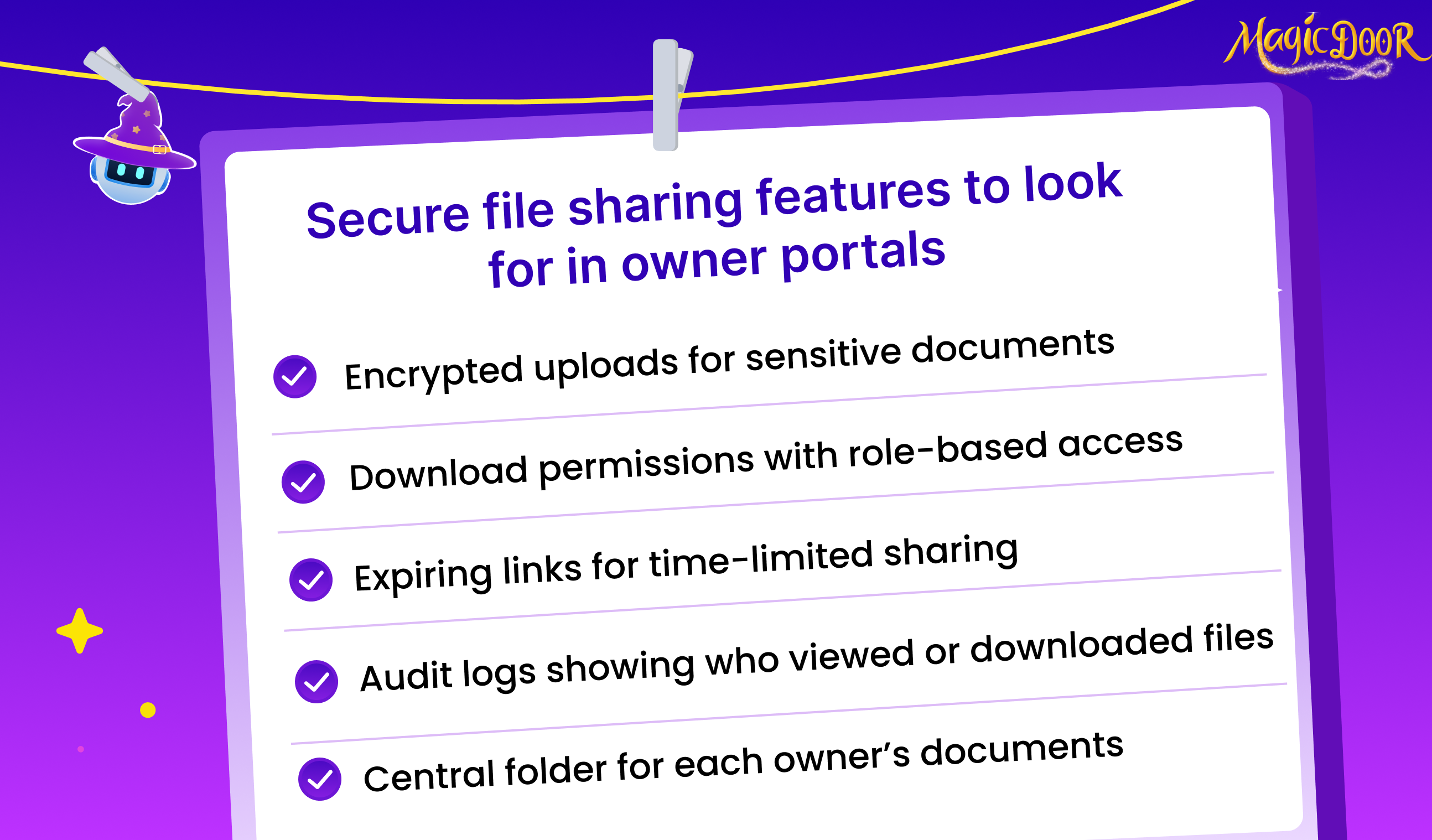
Documents shape many owner conversations. Contracts, receipts, and tax forms need a safe place where owners can review files when needed. A secure portal supports this need by keeping documents tied to the correct account and properties.
Good file sharing supports daily workflows.
Managers upload documents once; owners review or sign them electronically; and everything is stored in one platform. Access works on any device, helping owners stay involved even when away from their desks. That convenience keeps communication focused and reduces the number of document-related requests sent via email.
Choose a Tool That Scales With Your Properties & Clients
Portfolio growth changes expectations. More properties bring more owners, more payments, and more communication.
Owner portal software should keep up without forcing frequent system changes.
Scalable tools support additional properties, owners, and users inside the same property management software. Financial reporting, document access, and online payments continue to work smoothly as the business grows. Managers add new owners or properties without rebuilding workflows, which helps teams stay organized as client lists expand.
Platforms used across the industry, such as AppFolio, MagicDoor, Buildium, DoorLoop, and Yardi Breeze, serve portfolios of different sizes. Choosing software that grows alongside your company supports steady operations and helps maintain strong owner relationships over time.
Why Owner Portals Are a Game-Changer for Property Managers
They Reduce Owner Questions & Support Requests
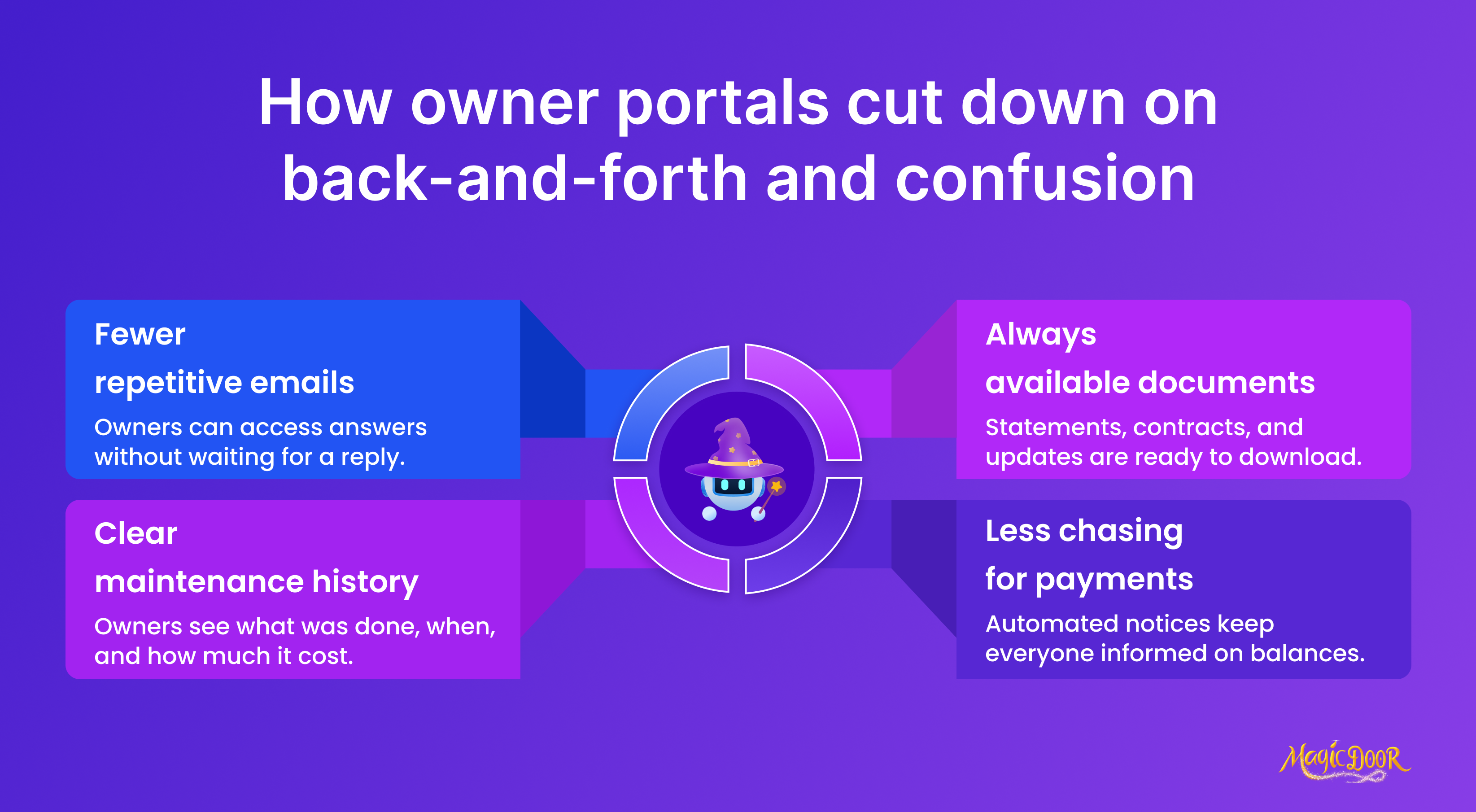
Owner questions usually come from missing context. When financial updates, documents, or messages live in different places, owners reach out simply to confirm details. An owner portal changes that dynamic by giving owners access to the same information that property managers already see.
With a secure portal connected to property management software, owners review balances, payments, documents, and messages on their own schedule.
Automated communication keeps owners informed about new leases and urgent alerts, reducing the need for manual outreach from the management company. Mobile access also plays a role here, since owners expect to check updates from anywhere without contacting the team.
Portals help cut down support volume in a few practical ways:
- Self-service access to account details and updates
- Central messaging tied to properties and reports
- Fewer confirmation requests around rent and documents
- Clear visibility into ongoing activity
As questions slow down, managers spend less time responding to repeat inquiries and more time focusing on higher-value work.
They Centralize Financial Reporting & Payment Records
Financial conversations work best when everyone looks at the same data. Owner portals centralize reporting and payment records on a single platform, creating clarity for owners and managers.
Owners log in to review statements, ledgers, and payment activity connected to their business and properties.
Rent, credits, and distributions appear together, tied to the correct date and account. Owner Web Access (OWA) also provides visibility into reserves, bank balances, and management fees, helping owners see where funds stand at any time.
Centralized reporting supports daily operations in a few key areas:
- Real-time visibility into rent and owner payments
- Immediate updates when funds move to the bank
- Secure access to invoices and reports
- Fewer discrepancies during reviews
When financial records stay organized and easy to review, trust improves, and conversations stay focused. Property managers benefit from fewer follow-ups, and homeowners gain confidence in how their properties are managed.
They Build Trust Through Transparency & Timely Updates
Trust grows when owners can see what’s happening without asking.
An owner portal tied to property management software gives owners access to real-time financial reporting, maintenance activity, and communication tools in one secure place. Post payments, update records, and keep owners informed as activity occurs, which supports confidence in how properties are managed.
Transparency shows up in practical ways. Centralized financial features provide access to owner statements, ledgers, income and expense reports, invoices, and tax forms.
Owner Web Access (OWA) adds visibility into reserves, bank balances, distributions, and management fees. Funds move through the system with immediate updates, reinforcing reliability and reducing uncertainty about rent and payouts.
Owners also appreciate timely updates on work orders.
The ability to submit, track, and approve repair quotes online keeps everyone aligned without extra emails. Over time, consistent access to and timely information strengthens relationships and improves owner retention.
They Help You Stand Out to Owner Clients
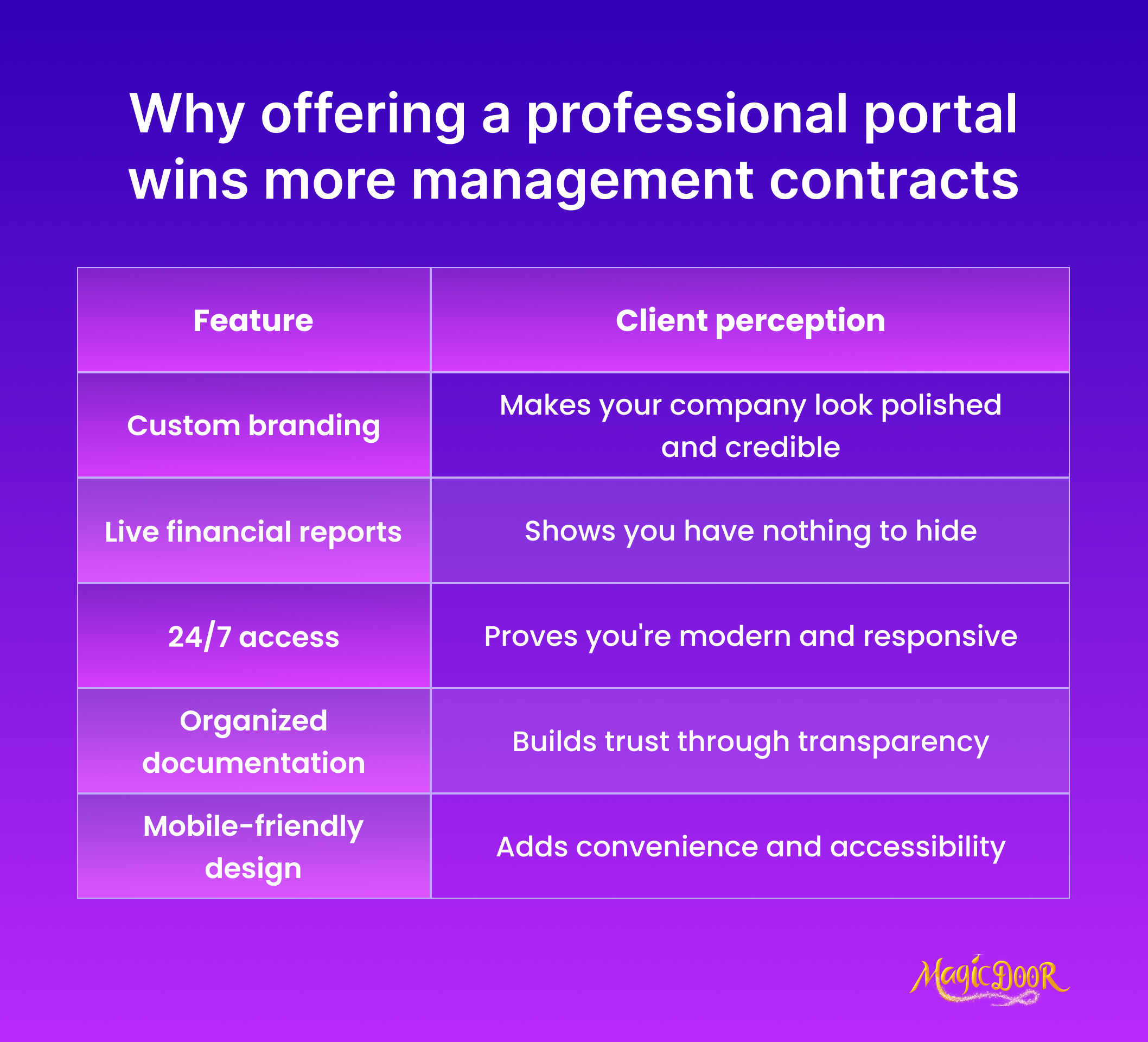
Owner expectations have changed. Convenience, clarity, and access now shape how owners evaluate a property management business. A well-designed owner portal supports that shift by giving owners a polished, reliable experience from day one.
Features such as online document review and electronic signatures make routine tasks easier.
Owners review agreements, sign files, and manage their accounts without delays. Payment visibility supports smoother conversations around rent and fees, while centralized records help owners understand performance without digging through messages.
From a competitive perspective, owner portals create a clear difference during sales conversations.
Platforms used across the industry, such as AppFolio, MagicDoor, Buildium, DoorLoop, and Yardi Breeze, support a range of portfolio sizes and client needs. Offering a portal that feels intuitive and dependable signals professionalism, helps attract new owner clients, and supports long-term relationships with existing customers.
How MagicDoor Supports Owner Access as Portfolios Grow
MagicDoor includes an owner portal that’s built into the platform from day one. As portfolios grow, owner access stays consistent because reporting, payments, documents, and communication already live in the same system managers use daily.
Owners log in and see what matters without extra tools or integrations. Managers keep the same workflows, even as the number of properties and owners increases.
What owners can access with MagicDoor:
- Automated owner reports published on a set schedule
- Payout logs that update as funds move
- Secure file sharing for statements, agreements, and records
- Real-time access to financial activity and property updates
- Tenant screening and messaging visibility for context on ongoing issues
Because the portal is part of the full MagicDoor platform, nothing needs to be synced or maintained separately. Access scales alongside the portfolio, giving owners clarity and managers fewer systems to manage as the business grows.
Conclusion
Owner portal software directly affects how owners experience your management company.
Clear reporting, easy document access, and timely updates reduce friction, strengthen relationships, and protect your team’s time as portfolios grow.
The right platform depends on your scale, complexity, and the level of control you want over financial visibility and communication. Some tools focus on basic access, others support deeper reporting and automation.
For teams looking to combine clear owner access with workflows that actually run day-to-day operations, MagicDoor is worth exploring as part of that evaluation.